
The Steps to Starting a Part 135 Company

Archives for » Page 11Part 135 Company Application Process Becoming a Part 135 operator is a rigorous process that requires meeting strict FAA regulations for air charter and commuter operations. Whether you plan to operate a single-pilot charter or a full-fledged jet fleet, understanding the different types of Part 135 operations and the FAA’s five-phase […]
Part 91 and Part 135 | Documents and Record-Keeping Differences
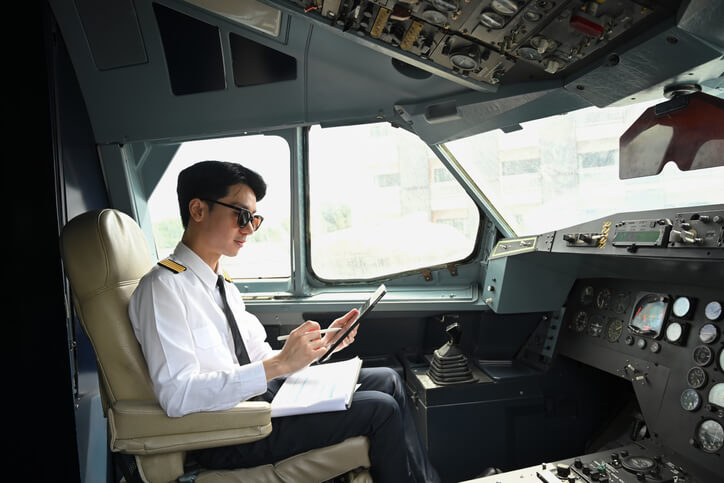
Archives for » Page 11Part 91 and Part 135 Background The Federal Aviation Regulations (FAR) outline different requirements for general aviation (Part 91) and commercial charter operations (Part 135). One of the key distinctions between Part 91 and 135 is the documentation required for flight operations. Below is a breakdown of the primary document categories […]
Part 91 and Part 135 | What Customers May Check
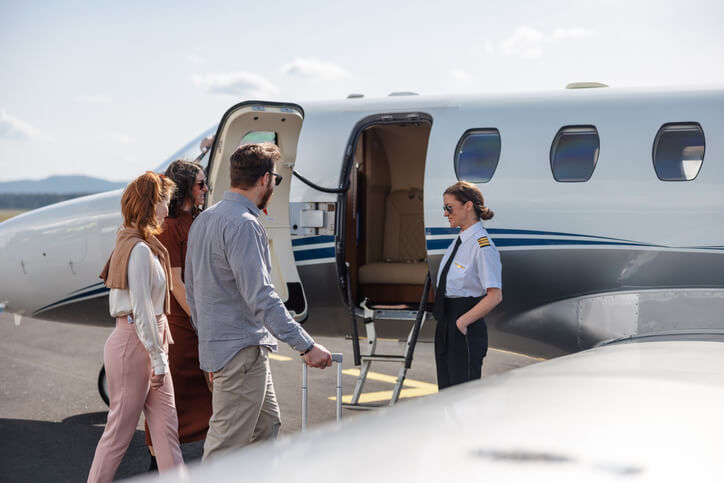
Archives for » Page 11Part 91 and Part 135 Operations With Part 91 and Part 135 private air travel comes freedom, flexibility, and a whole new level of convenience. But here’s something most passengers don’t realize: Not every “private” flight is operating legally. That’s right. Some companies offer charter-style flights without meeting the FAA’s safety […]
TAWS | Understanding the Terrain Awareness and Warning System
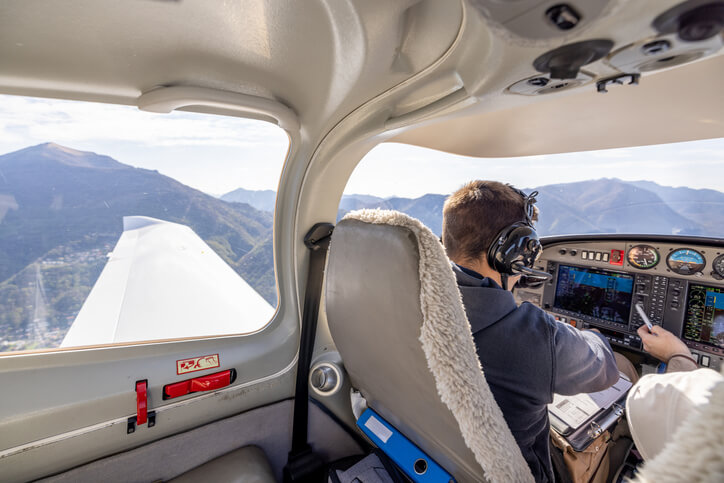
Archives for » Page 11Background of TAWS The Terrain Awareness and Warning System (TAWS) was developed in response to the alarming number of Controlled Flight Into Terrain (CFIT) accidents, which occur when an airworthy aircraft inadvertently collides with terrain due to low visibility or lack of pilot situational awareness. These accidents were a leading cause […]
Personal Protective Equipment | Enhancing Aircraft Operation Safety

Archives for » Page 11Enhancing Aircraft Operation Safety with Personal Protective Equipment Safety isn’t just a priority in aviation—it’s part of the job. For aircraft operator companies, particularly those under Part 135 regulations, ensuring the well-being of personnel is both a regulatory and ethical responsibility. One of the most effective ways to protect your team […]
Part 91 and Part 135 FAA Ramp Checks | How to Prepare

Archives for » Page 11Part 135 and Part 91 Ramp Checks Pilots are responsible for the safety and security of their aircraft, passengers, and crew at all times. Part 91 and Part 135 operators are subject to ramp checks by the FAA to ensure compliance with federal regulations. These ramp checks can occur at any […]
TCAS | Limitations at Low Altitudes

Archives for » Page 11TCAS Background Pilots are responsible for safely maneuvering aircraft through the skies and avoiding potential collisions. To assist with this crucial task, most have relied on the Traffic Collision Avoidance System (TCAS) installed in their aircraft. This technology has undoubtedly saved countless lives since its introduction in the late 1970s by […]
Part 135 | Duty Time and Rest Legal Gray Areas

Archives for » Page 11Part 135 Legal Interpretations and Their Impact on Pilot Compliance There are few things in aviation that are as confusing as the legal interpretations of Part 135 regulations. The FAA has strict guidelines for flight time, duty limitations, and rest periods, but sometimes we need a little help understanding these rules. […]
Classes of Fire and Portable Extinguishers in Aviation
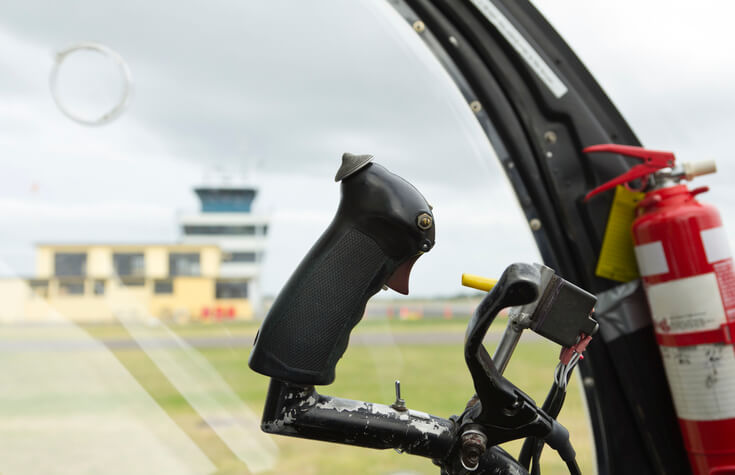
Archives for » Page 11Essential Classes of Fire and Portable Extinguishers Training Safety aboard aircraft demands uncompromising attention to detail, planning, and preparation. Among the many responsibilities of pilots and crew, understanding fire safety is paramount. Fire is one of the most critical emergencies that can arise during a flight. Therefore, thorough training in the […]
CFIT Accidents and the Effects of Automation
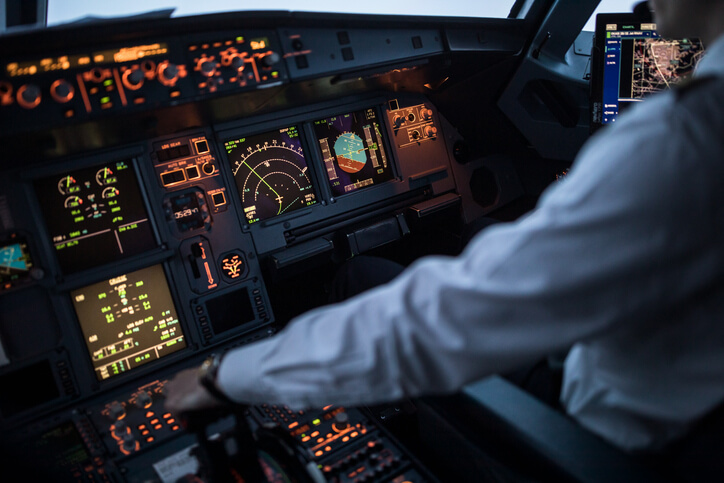
Archives for » Page 11CFIT Background The General Aviation Joint Steering Committee conducted a study of General Aviation Controlled Flight into Terrain (CFIT) accidents and found that an overreliance on automation was a precursor to many of these incidents. They also found that automation was a factor in accidents that occurred during VMC and IMC, both […]