
Class E Airspace | A Guide for Pilots
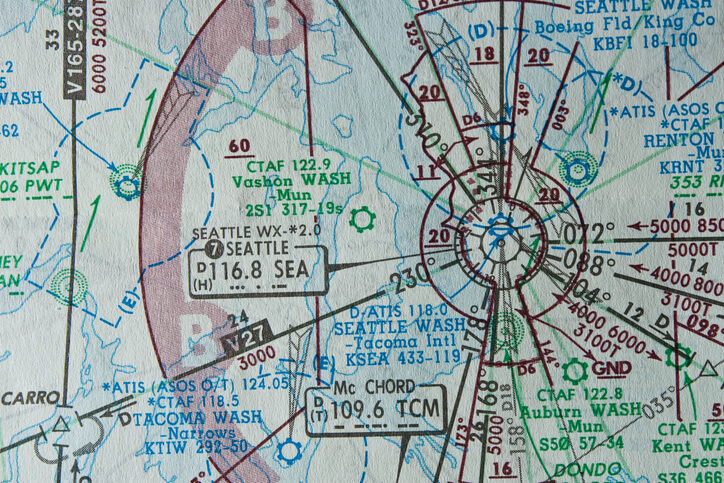
Archives for » Page 8Among the various classifications of airspace, Class E airspace often requires a nuanced understanding because of its widespread nature and unique regulations. Whether you’re operating under VFR or IFR, knowing how to fly within, communicate about, and effectively use Class E airspace is critical to mission success. What is Class E […]
Flight Training | Autorotation and Emergency Helicopter Landings

Archives for » Page 8Mastering Autorotation in Flight Training Autorotation is a cornerstone of helicopter safety flight training—an emergency descent technique that every student must master. When engine power is lost, autorotation allows the helicopter to safely descend and land by using airflow to keep the rotor system turning. But successful autorotation isn’t just a […]
Flight Training | Strengthening Mid-Air Collision Avoidance
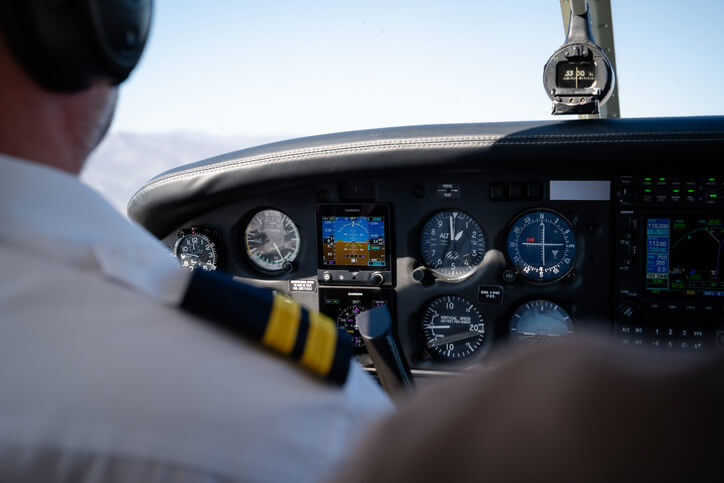
Archives for » Page 8Traditional Navigation Still Matters in Flight Training In modern airplanes, it’s easy to get swept up by sleek touchscreen panels, real-time weather overlays, and the reassuring magenta line guiding every turn. While GPS and integrated avionics have undoubtedly improved situational awareness and efficiency, there’s a growing concern in the aviation community: […]
Flight Training | Strengthening Mid-Air Collision Avoidance
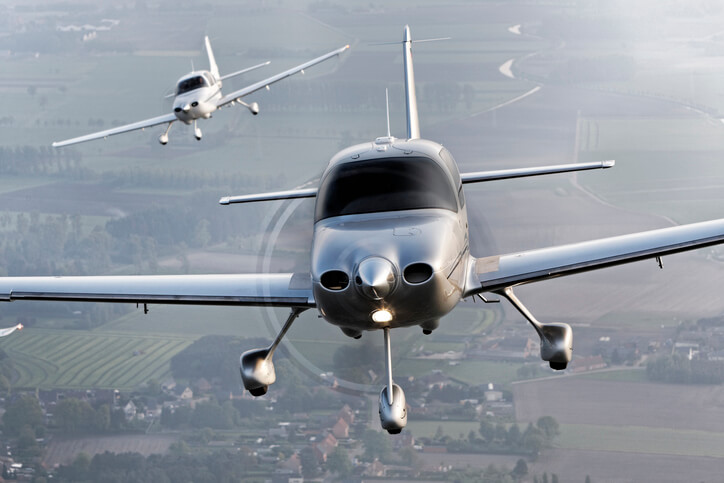
Archives for » Page 8Flight Training to See and Be Seen Mid-air collisions are among the most tragic and avoidable accidents in aviation. Despite technological advances, recent events—including the Potomac River mid-air collision between a regional airline and a Black Hawk helicopter, as well as several fatal collisions involving general aviation aircraft—serve as stark reminders […]
Flight Training | Learning to Make Real-World Weather Decisions

Archives for » Page 8Flight Training and Thunderstorms Every student pilot hears the same advice: avoid, avoid, avoid thunderstorms. While that’s sound instruction, it barely scratches the surface of what real weather decision-making looks like in the airplane. As technology evolves, pilots have access to more weather data than ever before, such as ForeFlight, ADS-B […]
Navigating Class E Airspace Safely and Efficiently
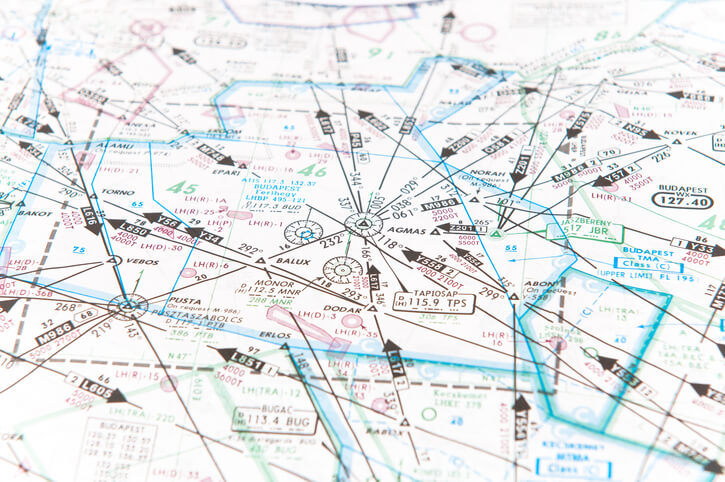
Archives for » Page 8Class E Airspace Navigating Class E airspace can be a routine part of flying and it’s essential to prioritize both safety and efficiency. Class E airspace comes with certain rules and unique challenges, requiring you to remain situationally aware and fully compliant. Whether you’re operating a charter flight or transporting cargo, […]
Exploring Careers in Aviation | Operating a UAV
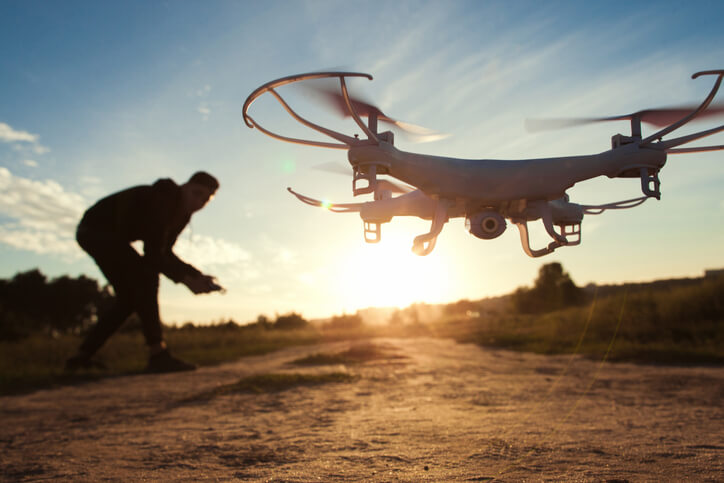
Archives for » Page 8Unmanned Aerial Vehicle Careers in Aviation Unmanned Aerial Vehicles, commonly known as UAVs or drones, are aircraft systems that operate without a human pilot onboard. Instead, they are remotely controlled or fly autonomously using onboard computers and sensors. Originally developed for military use, UAVs have rapidly expanded into civilian life—playing crucial […]
Part 135 Safety Culture | The Human Side of Charter

Archives for » Page 8Building a Safety Culture in Part 135 In the world of Part 135 charter flying, safety isn’t just about procedures; it’s about people. While the FAA establishes the regulatory framework, it’s up to each operator to create a culture that prioritizes safety over speed, profit, or convenience. In an environment where […]
Online Training for Rotor Wing Pilots

Archives for » Page 8Rotor Wing Pilots Can Benefit from Online Training The aviation landscape is always advancing, and with it comes the need for continuous training to keep rotor wing pilots at the top of their game. Whether you’re a pilot looking to sharpen your skills or a company aiming to maintain compliance, online […]
Flight Training Fundamentals | Ground Reference Maneuvers
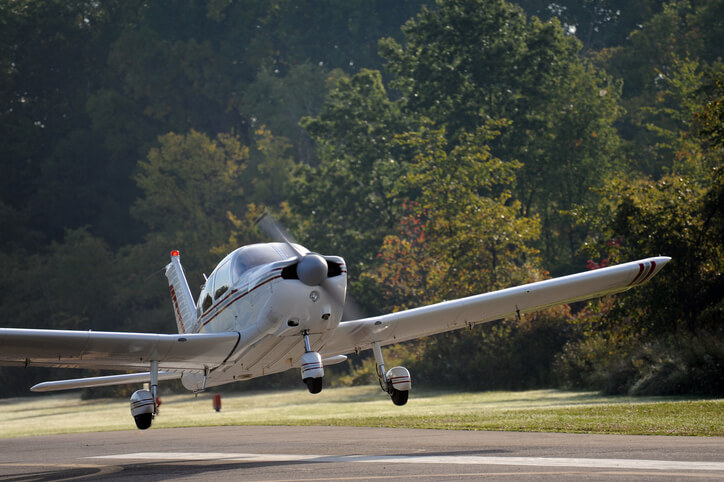
Archives for » Page 8Flight Training and Ground Reference Maneuvers to Master Wind Primary flight training is more than just learning to control an airplane—it’s about learning to think like a pilot. One of the most overlooked but absolutely vital parts of early training is the set of ground reference maneuvers: turns around a point, […]