
Electronic Flight Bag (EFB) | Purposes and Benefits

Archives for » Page 15EFB Definition An Electronic Flight Bag (EFB) is an electronic system with equipment and applications that store, update, display, and process functions to support flight operations. This means that pilots no longer must drag heavy flight bags around, stuffed with paper charts of the entire country. Even better, weekly revisions are […]
Classes of Fires and Portable Fire Extinguishers

Archives for » Page 15Classes of Fire and the Fire Extinguishers to Fight Them Not much would be more terrifying than smoke or fire on an aircraft in flight. Your options are limited, and the correct extinguisher must be readily available to fight the class of fire that is burning. For this reason, pilots and […]
Understanding Contact Approach in Aviation

Archives for » Page 15Contact Approach as an Option In the vast world of aviation, pilots have various approaches at their disposal to ensure safe landings. One method is the contact approach. While not as commonly discussed as visual or instrument approaches, understanding the nuances of a contact approach can add another tool to a […]
What Does Aircraft Operating Weight Mean?

Archives for » Page 15Understanding Aircraft Operating Weight As a pilot, understanding the intricacies of aircraft operating weight is crucial for safe and efficient flying. This concept not only affects flight performance but also plays a pivotal role in ensuring compliance with safety regulations. Let’s explore what aircraft operating weight entails, how it’s calculated, and […]
Navigating IFR Weather: Uncovering the Challenges & Benefits

Archives for » Page 15IFR weather conditions can be dangerous without preplanning IFR weather aviation is a type of air navigation requiring instruments and other navigational equipment to fly aircraft in low visibility conditions, such as fog, rain, or snow. It is an essential tool for pilots who need to operate their aircraft safely during […]
New EASA Safety Plan Hopes to Further Modernize Aviation
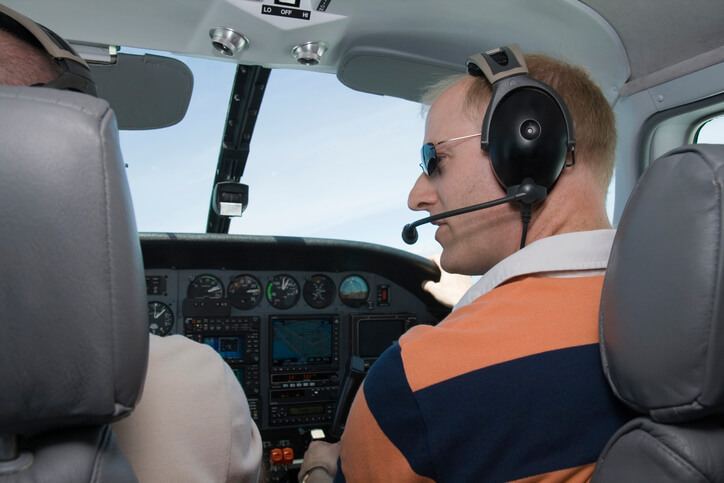
Archives for » Page 15An EASA safety plan modernizes the industry The European Union Aviation Safety Agency (EASA) is introducing a new five-year safety plan that supports the modernization of the European Aviation System in safety, efficiency, and the protection of the environment. The plan also addresses global issues that have emerged from the Covid […]
Back Injuries in Pilots | Tips for Prevention

Archives for » Page 15Back Injuries in the United States 80% of Americans can expect back injuries and back pain during their lifetime. Almost 8 million people will experience a new back injury in the United States every year and 400,000 of these cases will be disabling. For pilots, this news is alarming because back […]
Large Part 135 Operators have 70-year-old Age Limit Option
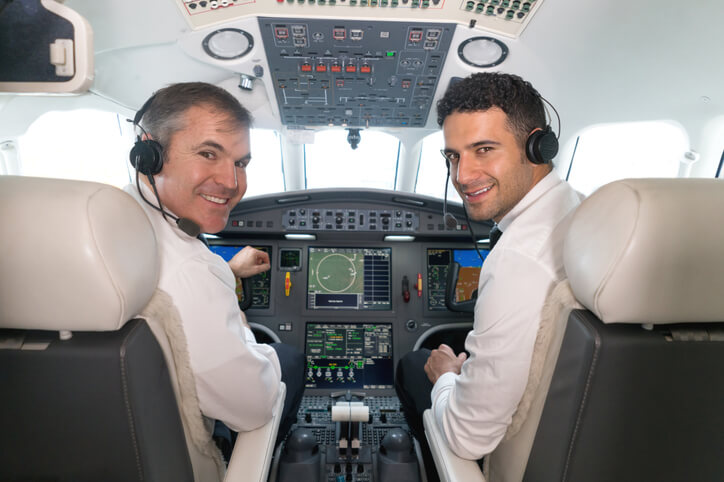
Archives for » Page 15Age Limits Now an Option for Large Part 135 Operators Pilots who fly for large fractional Part 135 and charter operators may face a new retirement age limit soon. The FAA 2018 financial reauthorization packet allows NetJets to set a mandatory retirement age of 70 for its pilots. Now, other operators […]
Single-Pilot Resource Management | The Five Ps

Archives for » Page 15Definition and Background of Single-Pilot Resource Management Single-Pilot Resource Management (SRM) is the management of all onboard and outside resources available to a pilot before and during a flight to help ensure a safe and successful outcome. SRM evolved from the practice of Crew Resource Management (CRM), which began after the […]
Land And Hold Short Operations

Archives for » Page 15How Land and Hold Short Operations Work Land and Hold Short Operations (LAHSO) is an air traffic control procedure created to increase airport capacity without compromising aircraft safety. ATC will clear the pilot to land with a specific restriction to hold short of an intersecting runway, intersecting taxiway, or some other […]