
Density Altitude and Useful Load

Archives for » Page 5Density Altitude and Useful Load, When Performance Margins Disappear On paper, useful load tells you what you’re allowed to carry. In the real world, density altitude decides whether the airplane can actually perform while carrying it. Density altitude is pressure altitude corrected for temperature (and to a lesser extent humidity), and it describes how “thin” the air really is. As density altitude increases, the airplane’s wings, […]
Aircraft Useful Load Numbers Determine What You Can Carry

Archives for » Page 5Aircraft Useful Load When pilots talk about how much an airplane can carry, they’re really talking about aircraft useful load—and it’s often one of the most misunderstood numbers in aviation. Useful load is defined as the difference between an aircraft’s maximum certificated gross weight and its empty weight. Aircraft useful load is everything you are allowed to add to the airplane: […]
Critical Angle of Attack in Turns | G-Forces Push To Stall
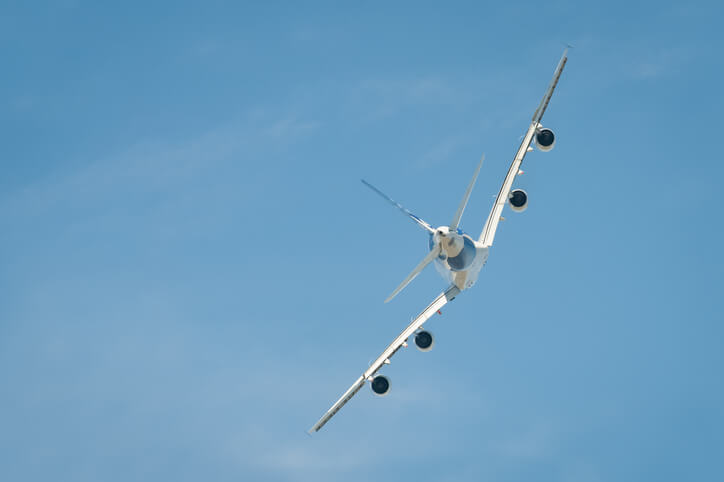
Archives for » Page 5Why Load Factors Matter to Critical Angle of Attack Load factor describes the ratio of lift an aircraft must produce compared to its weight. In straight-and-level, unaccelerated flight, that load factor is 1G. However, the moment an aircraft enters a turn, pulls abruptly, or maneuvers aggressively, the load factor increases. As load factor rises, the wing […]
Critical Angle of Attack: What Every Pilot Should Understand

Archives for » Page 5Discover the Critical Angle of Attack The critical angle of attack is the maximum angle between the wing’s chord line and the relative wind at which lift can be maintained. When this angle is exceeded, airflow separates from the wing, lift decreases abruptly, and the aircraft stalls. This fundamental aerodynamic limit exists regardless of aircraft type, pilot experience, […]
Winter Aviation Weather | Ground Operations Risks

Archives for » Page 5How does winter aviation weather affect ground operations? When pilots think about winter aviation weather hazards, ice-covered wings and slippery runways usually top the list. But some of the most dangerous winter risks never leave the ground. Cold weather ground operations and human performance issues quietly stack the deck against safety before the engine ever starts. […]
Winter Aviation Weather | Affects Aircraft Performance
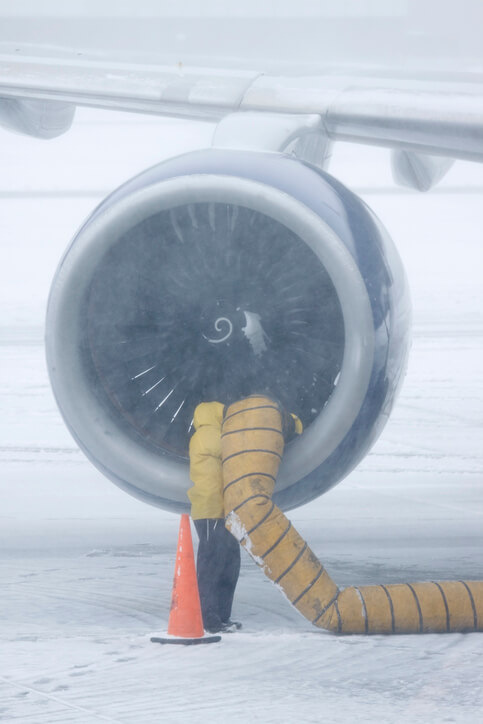
Archives for » Page 5Safer Winter Aviation Weather Flying Winter aviation weather can be deceptive in aviation. On one hand, cold, dense air improves aerodynamic performance and engine power. On the other, extreme cold introduces mechanical, battery, fuel, and human performance challenges that can quickly become safety threats. Winter flying isn’t just about ice and snow—it’s about understanding how temperature fundamentally changes the way […]
Winter Aviation Weather Fuel System Icing & Fuel Management
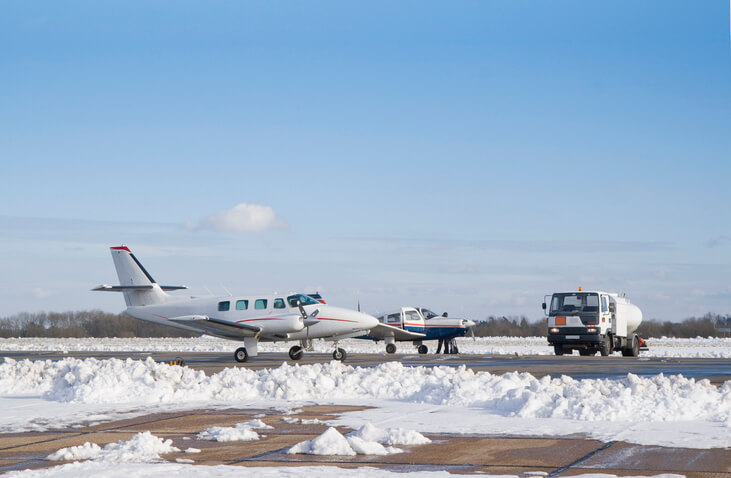
Archives for » Page 5Understanding Fuel System Icing: A Critical Winter Aviation Weather Risk Fuel system icing is one of the most quietly dangerous threats in winter aviation weather because it gives little warning and often strikes at the worst possible moment—during climb or cruise when power is critical. Even with clean wings and good performance, contaminated fuel can slowly starve an […]
Winter Weather | De-icing and Anti-icing

Archives for » Page 5De-Icing vs. Anti-Icing: What Every Pilot Must Know About Winter Aviation Weather Winter flying brings beautiful skies, and some of the most unforgiving hazards aviation has to offer. Among the most misunderstood winter safety topics is the difference between de-icing and anti-icing. These two protections sound similar, but they serve very different purposes; confusing them can lead to […]
Risk Identification and Assessment | Pilot Compliance Overview

Archives for » Page 5Risk Identification and Mitigation A preflight briefing is only as good as the decisions it generates. AC 91-92 emphasizes that pilots must turn information into action through structured risk assessment. The goal is to understand whether this airplane, with this pilot, under these conditions, today can complete the flight safely. PAVE: […]
Mastering Weather | AC 91-92 Pilot Compliance Overview

Archives for » Page 5Mastering Weather: Compliance Overview of AC 91-92, Pilot’s Guide to a Preflight Briefing Weather isn’t just something you “check”—it’s something you interpret. AC 91-92 pushes pilots to move beyond static information and develop a deeper sense of what the atmosphere is becoming. This is where great briefings transform into great decisions and pilots can begin mastering weather. The Essential […]