
VMC in Aviation: Weather Minimums, IMC Transitions & Vmc Speed

Archives for » Page 4 VMC vs IMC: A Real-World Guide for Charter and Corporate Pilots What VMC Means in Aviation — And Why the Definition Matters More Than You Think A Part 135 charter crew departs VFR on a routine repositioning leg. Conditions are legal — barely. Visibility sits at the minimum, a thin […]
METAR Decoding Guide for Part 135 Charter Pilots

Archives for » Page 4 METAR Basics for Charter and Corporate Pilots: Decoding Critical Weather Data Why METARs Matter More Under Part 135 Than You Think Ninety minutes before departure, a Part 135 crew pulls the latest METAR for their destination. The TAF predicted VFR conditions, but the METAR now shows BKN008 and 2SM in […]
Aviation Maintenance Safety Training: Human Factors & Error Prevention

Archives for » Page 4 Aviation Maintenance Safety Training: Human Factors, Errors, and Prevention Why Human Factors Drive 80% of Aviation Maintenance Errors According to the FAA, approximately 80% of aviation maintenance safety training gaps trace directly to human factors—and MEDA investigations consistently show that 80–90% of the contributing causes are under management control, not […]
Aviation Hazmat Training: Will-Carry vs. Will-Not-Carry
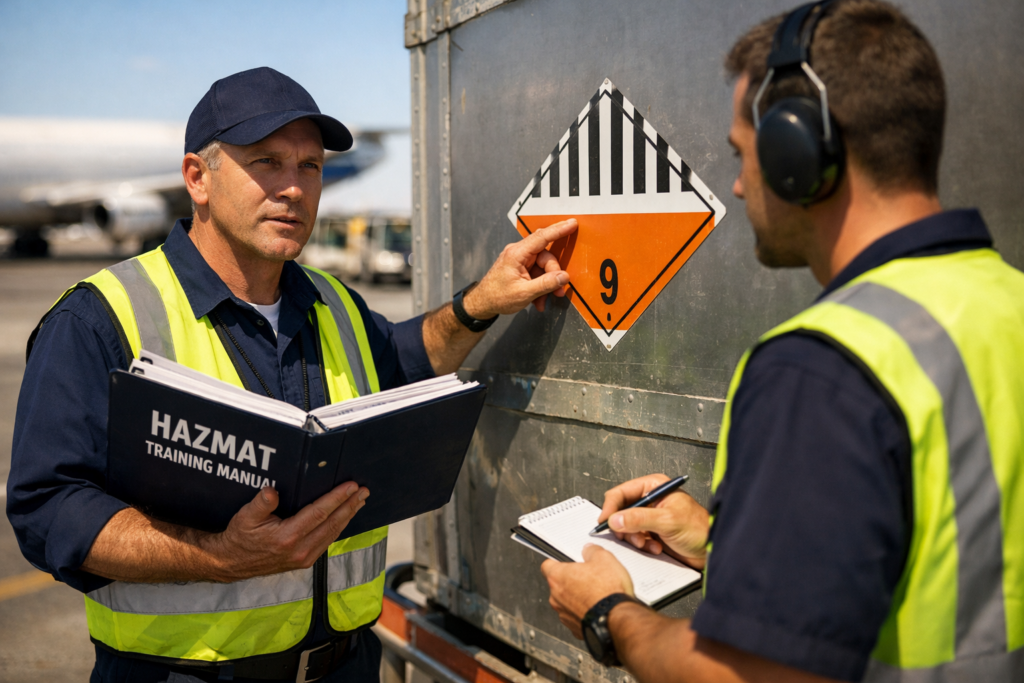
Archives for » Page 4 Aviation Hazmat Training: Will-Not-Carry and Will-Carry Programs Explained Aviation hazmat training is a regulatory obligation that catches many operators off guard. If your operation has a Will-Not-Carry policy, does that mean your pilots and ground crew can skip hazmat training? The answer is no — and the FAA’s escalating record […]
Part 135 Training Requirements: FAA Compliance Guide

Archives for » Page 4 Online Part 135 Training: How Operators Stay Compliant With FAA Requirements Part 135 training is only 1 of 15 certification areas the FAA evaluates for Part 135 operators — yet a failure in training can cascade across nearly every other area, from your General Operations Manual to proving and validation […]
Night Vision Goggle Online Training for Pilots | CTS
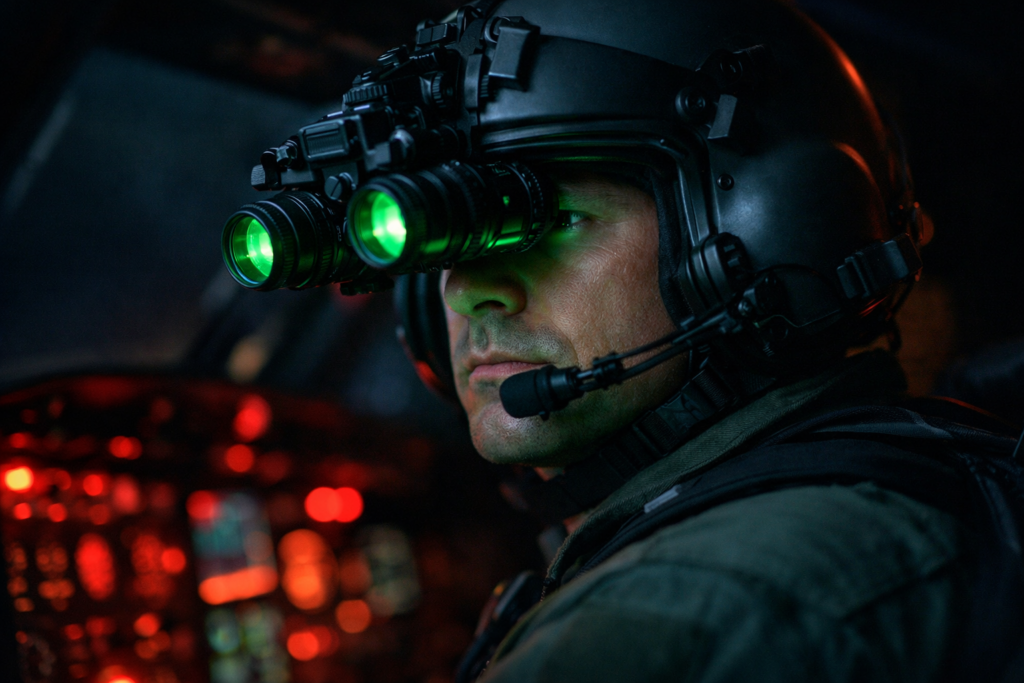
Archives for » Page 4 Night Vision Goggle Online Training for Pilots: Night Operations, Human Factors, and Safety Risks Generation 3 night vision goggles can amplify starlight into a usable image through advanced photocathode and micro-channel plate technology — yet they fail completely in total darkness, degrade depth perception, reduce peripheral vision, and accelerate eye […]
SMS Training in Aviation: A Pilot-Friendly Guide
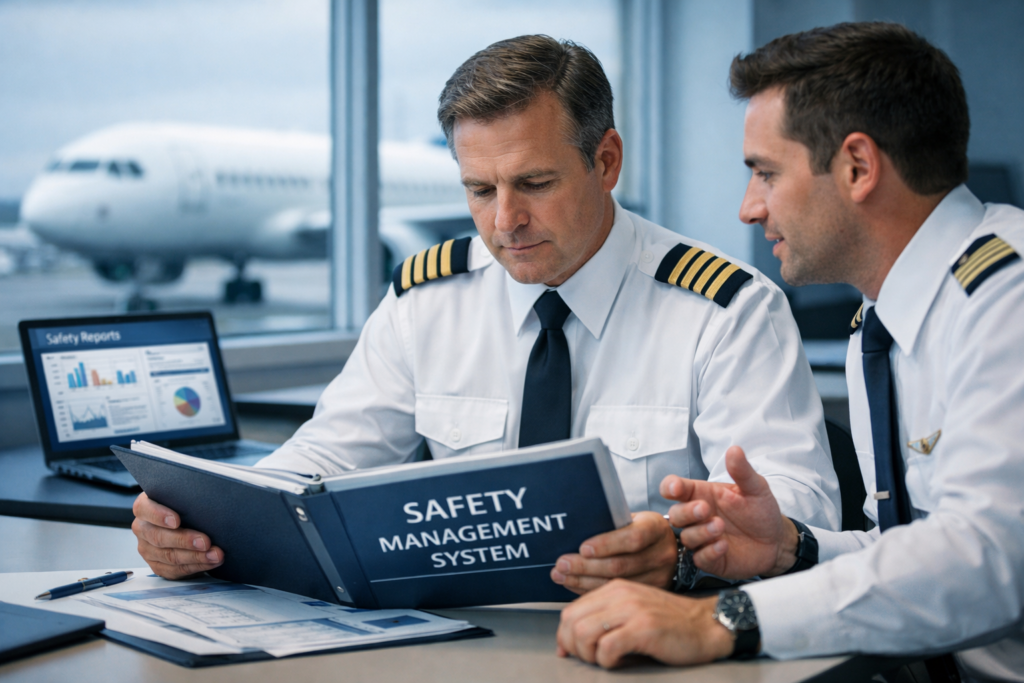
Archives for » Page 4 What Is SMS Training in Aviation? A Pilot-Friendly Guide When one industry benchmark shows a $10,000 investment can train 300 aviation employees in hazard reporting and risk management — roughly $33 per person — and organizations that adopt e-learning-based SMS training in aviation have reported a 30% increase in hazard […]
Minimum Equipment List (MEL) for Pilots: Dispatch & Deferrals
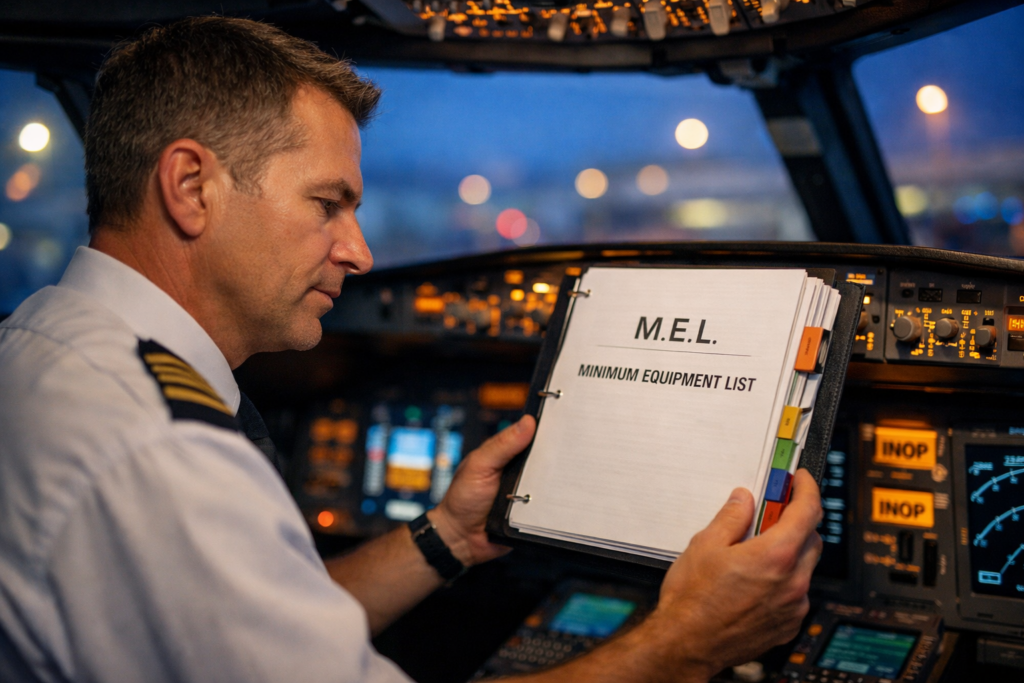
Archives for » Page 4 Minimum Equipment List (MEL) for Pilots: Dispatch, Deferrals, and Maintenance You’re halfway through your preflight walk-around when you discover the number two landing light is burned out. Your flight is a day VFR cross-country under Part 91. Can you legally depart? The answer depends on whether you know how to […]
Accelerated Slipstream | Takeoff, Climb, and Control

Archives for » Page 4Accelerated Slipstream, The Force that Shapes Takeoff, Climb, and Control When pilots think about propellers, they usually think in terms of thrust — air being pushed backward to move the airplane forward. But a propeller does something else at the same time: it accelerates a corkscrewing stream of air that flows […]
Accelerated Slipstream in Multi-Engine Airplanes

Archives for » Page 4Accelerated Slipstream When One Engine Changes Everything In multi-engine airplanes, accelerated slipstream is no longer just a helpful byproduct of the propellers — it becomes a dominant asymmetric force whenever the engines are not producing equal thrust. This is why engine failures in twins are not simply “a loss of half […]