
Flight Attendant Recurrent Training: Part 135 Compliance Guide

Archives for » Page 2 Flight Attendant Recurrent Training: A Compliance Guide for Part 135 and Corporate Aviation Crews Why Flight Attendant Recurrent Training Matters in Business Aviation If one of your flight attendants completed flight attendant recurrent training on March 15 of last year, do you know the exact date their currency expires? Most […]
Airports with KCM Transitioning to CMAP: Part 135 & 91 Guide

Archives for » Page 2 KCM vs. CMAP: What Part 135 and Part 91 Pilots Should Know About Airports with KCM Transitioning to CMAP On June 22, 2026, the TSA activated its first Crewmember Access Point (CMAP) screening stations at Ronald Reagan Washington National (DCA) and Washington Dulles International (IAD) — marking the beginning of […]
Contact Approach Aviation: Part 91 & 135 IFR Requirements

Archives for » Page 2 Contact Approach Aviation: What Part 91 and Part 135 Pilots Must Get Right If ATC tells you to “proceed visually,” do you have a contact approach clearance? A visual approach clearance? The answer is neither — and getting that wrong in marginal weather has real consequences. Understanding contact approach aviation […]
FAR 117 Table B: Flight Duty Period Limits Explained

Archives for » Page 2 FAR 117 Table B Explained: Part 117 vs. Part 135 Flight and Duty Time Rules for Pilots Why FAR 117 Table B Matters: From Colgan Air to Circadian Science A pilot reporting for duty at 02:00 with seven or more flight segments is legally limited to just 9 hours of […]
Helicopter Ditching Procedures: Muscle Memory That Saves Lives

Archives for » Page 2 Helicopter Ditching Procedures: Building the Muscle Memory That Saves Lives Helicopter ditching procedures are the difference between survival and catastrophe — but only if they have been trained to the point of automaticity. Picture this: a twin-engine helicopter loses power 40 nautical miles offshore, at night, in moderate seas. The […]
TSOC Approval for Part 91 Flight Departments | CTS

Archives for » Page 2 TSOC Approval Explained: What Part 91 Flight Departments Need to Know Your Part 91 flight department completes recurrent training every year, your pilots hold current type ratings, and your safety record is clean. But when an FAA inspector at a ramp check asks to see your Training Statement of Compliance […]
RVSM Training Updated and Reapproved for TSOC

Archives for » Page 2 Keeping Aviation Training Current CTS has completed an update to its Reduced Vertical Separation Minimum (RVSM) training subject, including a full review of the content, refresh, and reapproval for TSOC LOA B046. The update confirms the RVSM course’s continued alignment with applicable training expectations and supports its ongoing use by […]
Traffic Collision Avoidance System: Part 135 TCAS Guide
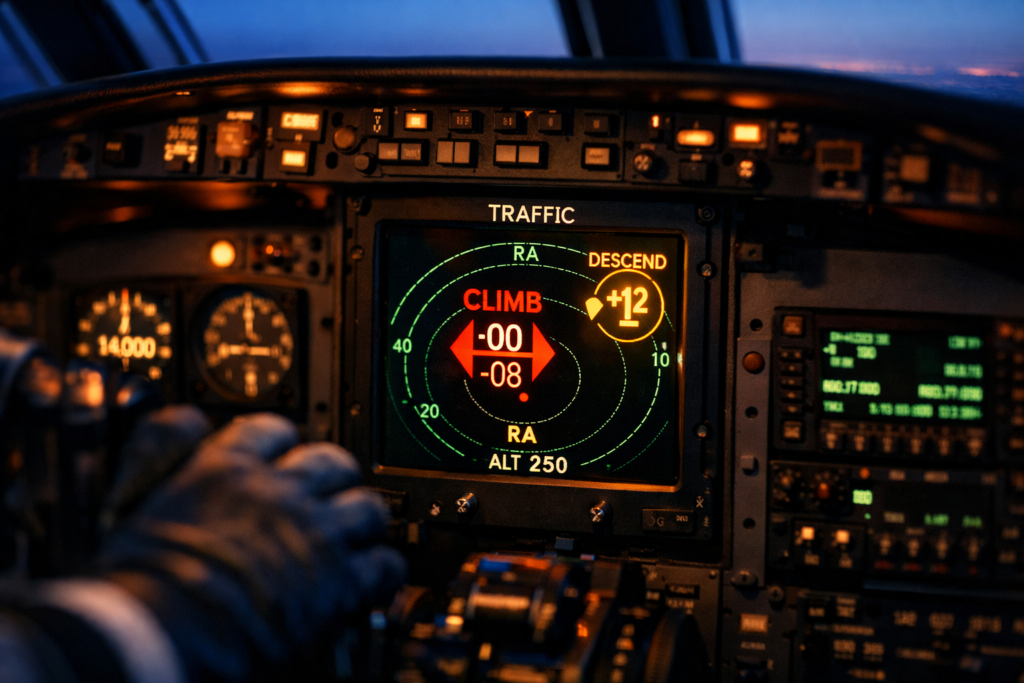
Archives for » Page 2Traffic Collision Avoidance System (TCAS): What Part 135 Operators Need to Know Why Traffic Collision Avoidance System Compliance Matters More Than Ever for Part 135 Operations Studies indicate that immediate compliance with a TCAS Resolution Advisory reduces mid-air collision risk by over 90% — yet failure to respond to an RA […]
FAA Part 135 Helicopter Training Requirements: 4 Accident Factors
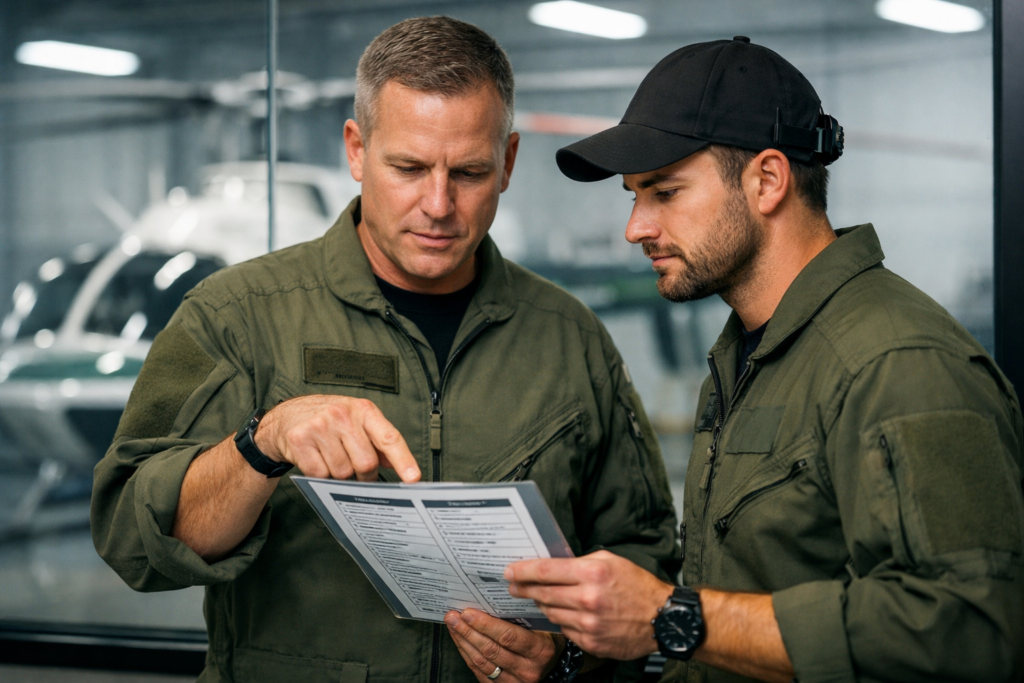
Archives for » Page 2 Building a Part 135 Helicopter Training Program Around the FAA’s Four Accident Factors The FAA and NTSB have repeatedly identified the same four factors behind the majority of fatal helicopter accidents in the United States — inadvertent entry into instrument meteorological conditions (IIMC), controlled flight into terrain (CFIT), loss of […]
AMRM Training for Air Medical Crews: What It Is & Why It Matters
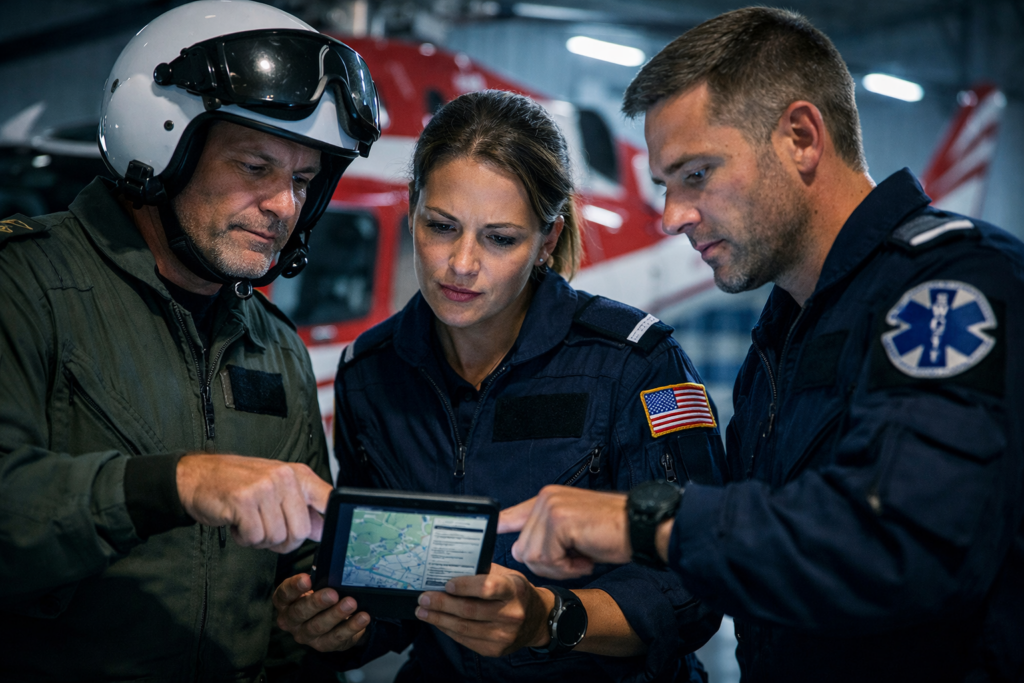
Archives for » Page 2 AMRM Training for Medical Crewmembers: Why It Matters in Air Medical Operations A flight nurse is managing a deteriorating trauma patient in the cabin of a helicopter air ambulance. Blood pressure is dropping. Interventions are escalating. Thirty feet forward, the pilot is navigating deteriorating weather toward a confined landing zone, […]