
Winds Aloft | A Guide for Part 135 Pilots
In-Flight Safety » Page 6Understanding Winds Aloft When you’re a Part 135 pilot, planning and efficiency are the name of the game. One critical factor that can make or break a smooth flight is the

In-Flight Safety » Page 6Understanding Winds Aloft When you’re a Part 135 pilot, planning and efficiency are the name of the game. One critical factor that can make or break a smooth flight is the

In-Flight Safety » Page 6Navigating Contact Approaches Contact approaches are an often under-discussed but vital part of aviation procedures, offering convenience and flexibility when conditions allow. Understanding when and how to execute a contact approach
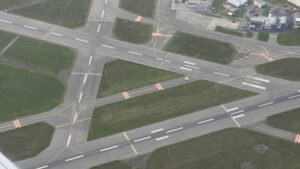
In-Flight Safety » Page 6Land and Hold Short Operations Background Land and Hold Short Operations (LAHSO) are ATC procedures designed to create a safe way to increase airport capacity. The savings in time and fuel

In-Flight Safety » Page 6Situational Awareness and Flight Safety Situational awareness (SA) is a cornerstone of flight safety, yet it’s often one of the first things to erode under stress, fatigue, or distraction. The FAA’s

In-Flight Safety » Page 6Careers in Aviation Background For many professional airline pilots, the FAA-mandated retirement age of 65 feels premature. These pilots often say they feel sharper, more experienced, and more confident than ever.

In-Flight Safety » Page 6Mastering SRM for Safer Skies Unlike a crewed cockpit, where tasks and responsibilities are shared, single pilots shoulder every decision, every calculation, and every response. This is where Single-Pilot Resource Management

In-Flight Safety » Page 6GPS Operations For Part 135 pilots, precise navigation is more than a convenience—it’s a necessity. From managing customer expectations to meeting FAA regulatory requirements, accurate navigation ensures the safety, efficiency, and

In-Flight Safety » Page 6The Importance of Situational Awareness in Fixed Wing Training Situational awareness (SA) is a vital flight skill, but unlike steep turns or short-field landings, it’s not something you can master in

In-Flight Safety » Page 6Situational Awareness Background Losing situational awareness can be both gradual and dangerous. Here’s the good news: situational awareness can be restored—often quickly—if the pilot or crew recognizes the warning signs and

In-Flight Safety » Page 6Background of TAWS The Terrain Awareness and Warning System (TAWS) was developed in response to the alarming number of Controlled Flight Into Terrain (CFIT) accidents, which occur when an airworthy aircraft



In-Flight Safety » Page 6Understanding Winds Aloft When you’re a Part 135 pilot, planning and efficiency are the name of the game. One critical factor that can make or break a smooth flight is the
In-Flight Safety » Page 6Navigating Contact Approaches Contact approaches are an often under-discussed but vital part of aviation procedures, offering convenience and flexibility when conditions allow. Understanding when and how to execute a contact approach
In-Flight Safety » Page 6Land and Hold Short Operations Background Land and Hold Short Operations (LAHSO) are ATC procedures designed to create a safe way to increase airport capacity. The savings in time and fuel
In-Flight Safety » Page 6Situational Awareness and Flight Safety Situational awareness (SA) is a cornerstone of flight safety, yet it’s often one of the first things to erode under stress, fatigue, or distraction. The FAA’s
In-Flight Safety » Page 6Careers in Aviation Background For many professional airline pilots, the FAA-mandated retirement age of 65 feels premature. These pilots often say they feel sharper, more experienced, and more confident than ever.
In-Flight Safety » Page 6Mastering SRM for Safer Skies Unlike a crewed cockpit, where tasks and responsibilities are shared, single pilots shoulder every decision, every calculation, and every response. This is where Single-Pilot Resource Management
In-Flight Safety » Page 6GPS Operations For Part 135 pilots, precise navigation is more than a convenience—it’s a necessity. From managing customer expectations to meeting FAA regulatory requirements, accurate navigation ensures the safety, efficiency, and
In-Flight Safety » Page 6The Importance of Situational Awareness in Fixed Wing Training Situational awareness (SA) is a vital flight skill, but unlike steep turns or short-field landings, it’s not something you can master in
In-Flight Safety » Page 6Situational Awareness Background Losing situational awareness can be both gradual and dangerous. Here’s the good news: situational awareness can be restored—often quickly—if the pilot or crew recognizes the warning signs and
In-Flight Safety » Page 6Background of TAWS The Terrain Awareness and Warning System (TAWS) was developed in response to the alarming number of Controlled Flight Into Terrain (CFIT) accidents, which occur when an airworthy aircraft