
Why HAZMAT Training? Looking beyond the mandates.

Archives for » Page 73More benefits than just to complete a requirement. We all know whether you are a Will or Will-Not Carry Operation, you must complete HAZMAT training every 24 months. I’m also sure we’ve all asked the question “but why should I train so often?” or “why does every operation need to train, […]
Drone vs. Aircraft: Diluting the Dissension

Archives for » Page 73Can drones and aircraft really live in harmony? The FAA thinks so. Dan Elwell, Federal Aviation Administration (FAA) acting Administrator, announced last week that the FAA is working on plans to bring unmanned aircraft (UAS) operators and the rest of the aviation world a little closer together. Currently, UAS operators have […]
Part 135 Training Made Easy with CTS

Archives for » Page 73Specially designed with Part 135 operations in mind. Are you looking for hassle-free, on-the-go ground training for your pilots? Are you tired of grading exams and creating testing for your operation? Let CTS take some of the pressure off your training department with both our standard and customized online aviation training […]
Vexing Violent Vortexes: Handling Tornadoes While In-Flight

Archives for » Page 73Forecasted funnel clouds mean go-arounds and reroutes. Well, it’s springtime here in Kansas which means one thing: tornadoes. Although these funneling foes aren’t always so friendly, especially to the aviators of the world, we want to share a few facts about these fierce forces of nature. What is a tornado? Sure, […]
Don’t Just Wing It: Remaining Calm During Emergency Situations
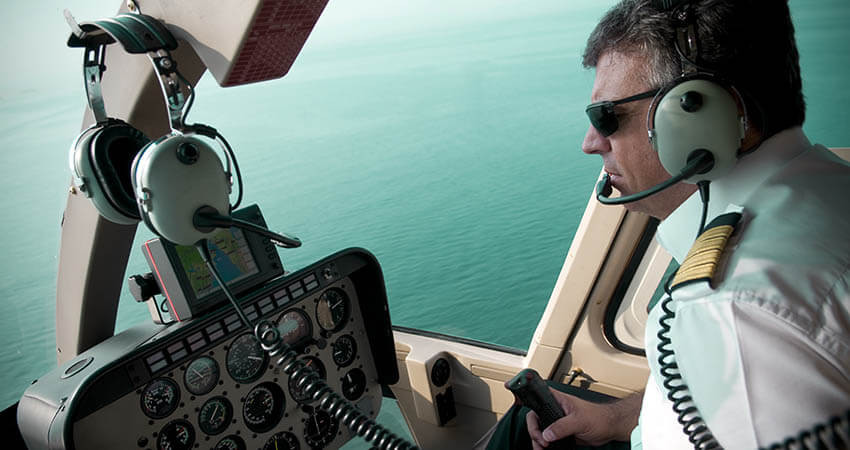
Archives for » Page 73Cool, Calm, and Collective. Earlier this week we brought you a blog on how to better prepare for emergency procedures. Now, we wanted to share with you some tips on how to remain calm when in an emergency situation. Below are a few ways that you can stay level-headed, even when […]
Don’t Just Wing It: Preparing for Emergency Situations

Archives for » Page 73Tips for Pilot Emergency Preparedness. A 2015 study tested pilots in a Boeing 747 simulator on the pilots’ emergency preparedness. The case study revealed that “all eighteen pilots performed impeccably, providing the correct response for each emergency.” These results, however, seemed to differ greatly from the airline incidents recently reported at […]
How to Calm Down Anxious Passengers

Archives for » Page 73Nothing to fear [while flying], but fear itself. Fear of flying is one of the most common phobias around. In fact, 20% of the population says that fear of flying inhibits their work and social lives. Sensing when passengers are anxious to fly and helping relieve some of that stress can […]
Break the Mold: Upgrade Your Passenger Briefing
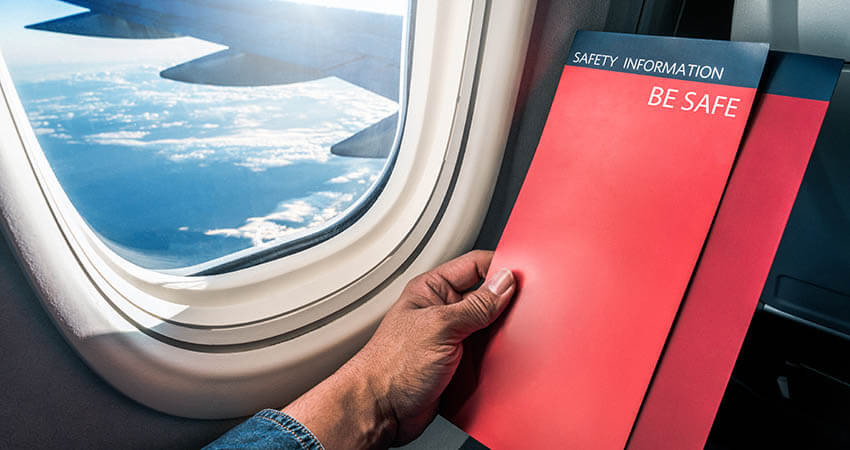
Archives for » Page 73Raising the bar for passenger briefings. There are the routine briefings to give passengers (when to fasten seatbelts, smoking rules, etc.), but what sets apart a great passenger briefing from one that just explains what is required of you? There is a quick way to highlight features of the aircraft to […]
Flightcrew: Addressing In-Flight Requests from Difficult Passengers

Archives for » Page 73“Put yourself in the customer’s shoes but never lose your authority,” says one aviation industry insider on difficult passengers. As flight crewmembers, you have to be prepared for all types of scenarios when dealing with passengers from the preflight briefing to medical emergencies. But what do you do when you have […]
Flight Attendant Tips for Working with Passengers

Archives for » Page 73The Passenger is Always Right… Mostly. We promised customer service centered blogs for the month, so this blog is centered around flight attendant good practices. Good interpersonal communication skills and self-care (i.e. yes, you need a full night’s sleep) are extremely import to being a successful steward or stewardess. Below are […]