
Flight Attendant Tips for Working with Passengers

Archives for » Page 74The Passenger is Always Right… Mostly. We promised customer service centered blogs for the month, so this blog is centered around flight attendant good practices. Good interpersonal communication skills and self-care (i.e. yes, you need a full night’s sleep) are extremely import to being a successful steward or stewardess. Below are […]
Part 135 Operators: Are crewmembers getting enough rest time?

Archives for » Page 74Sleep tight, don’t let the FAA bite. The NBAA released a free webinar explaining tricky duty vs. rest time scenarios and how to ensure FAA compliance through them. Passengers arriving late or “tail end” repositioning can stretch the limits of Part 135 regulations. Without realizing it, it can be extremely easy […]
Service with a Smile: It’s the Little Things

Archives for » Page 74Customer Service Tips for the Aviation Industry Since April is Customer Service Month, let’s start the CTS blogs for the month with general customer service tips. Every crew member can make a difference in the flight experience for the customer. Pilots especially, even if you don’t think you do, play a […]
Whiskey Compass: Fact vs Fiction

Archives for » Page 74What’s in a name? There are many rumors as to how the magnetic compass, found in the cockpit of many aircraft, became known as the ‘whiskey compass.’ Some say it was dubbed the whiskey compass to remind pilots to refill the compass fluids with the alcoholic beverage instead of water due to […]
ICAO PBCS Deadline on Track

Archives for » Page 74ICAO PBCS Half-tracks, Whole New Ballgame Starting March 29, 2018, you must be compliant with new Performance Based Communication and Surveillance (PBCS) guidelines set by the International Civil Aviation Organization (ICAO) when travelling on half-tracks between FL350-390. There will be a maximum of three daily tracks that will require PBCS-compliancy, but […]
Beyond the Basics: Part 135 Indoc Training

Archives for » Page 74Attention all Part 135 Operators: As we continually strive to provide excellent online aviation training, we at CTS want to keep you informed on the many training options available through our programs. Today, we are addressing Part 135 courses and how CTS can help you meet your training goals. Below are […]
Arctic Flying: Part 2

Archives for » Page 74Whiteout and Flat Light Considerations As we know from our previous blog (see Arctic Flying: Part 1), there are many optical hazards while flying in the Arctic region. The snow covered ground combined with overcast or extremely sunny conditions can cause either flat light or whiteout conditions. These conditions have proven […]
‘Climb/Descend via’ Phraseology: What it Really Means

Archives for » Page 74Brushing up on SID and STAR ATC Communications On February 21, 2018, the NBAA posted an article asking operators to pay more attention to SID procedures, particularly those at Teterboro (TEB) and Henderson Executive (HND) airports, When “climb via” and/or “descend via” limitations are exceeded or otherwise not adhered to, unnecessary […]
Lead the Way: GPS Training Update
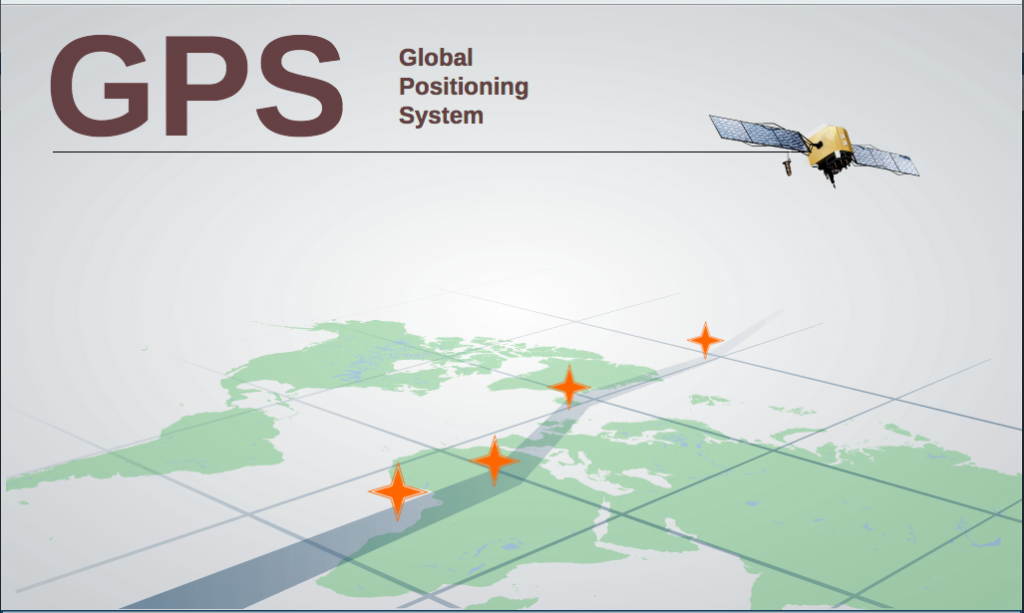
Archives for » Page 74Extreme Makeover: CTS Edition CTS is launching a completely updated GPS training subject. The many changes included in this across-the-board revamp ranges from graphics to narration to updating material to follow the new FAA NextGen Rules and Regulations. CTS continually monitors and maintains training material to ensure accurate and ample content […]
2014 Helicopter Air Ambulance Restrictions: Did They Work?

Archives for » Page 744 years after the announcement of the Final Rule, CTS is finding out the truth behind the restrictions. Previously, we posted a blog on what the 2014 restrictions meant for air ambulance personnel under the pressures to take the call (see 2014 Helicopter Air Ambulance Restrictions: What it Means for Medical […]