
2014 Helicopter Air Ambulance Restrictions: What it Means for Medical Personnel
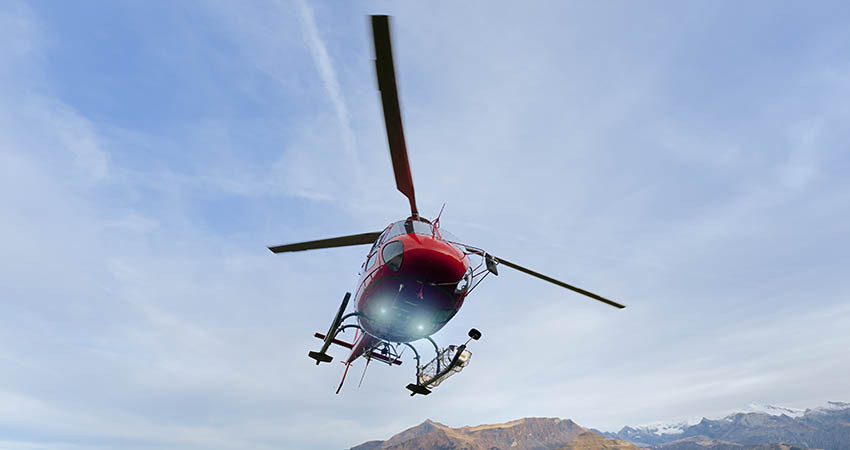
Archives for » Page 75New Restrictions, but the Pressure is Always On 2008 ranked as the deadliest year for air ambulance operations with 5 accidents claiming 21 lives. In 2014, responding to these events, the FAA adopted more restrictions on Air Ambulance and general helicopter operations to increase safety and lower accident rates. Now, let’s […]
The Robird: Coming to an Airspace Near You
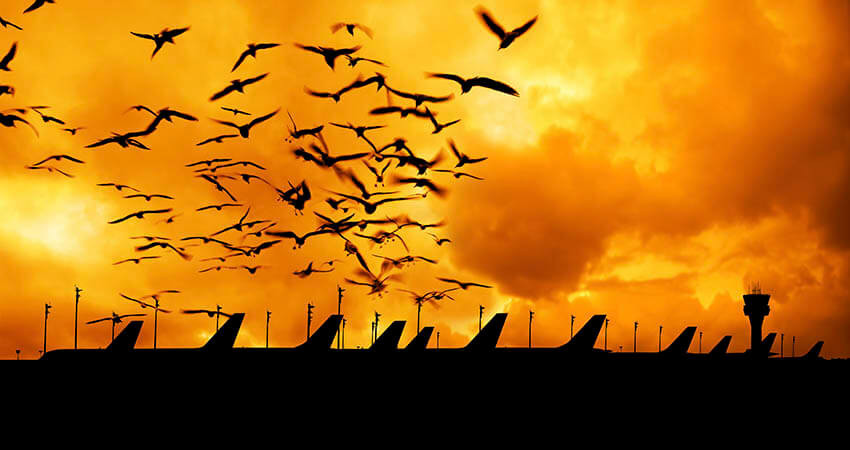
Archives for » Page 75Robotic Birds Taking Off as an Option to Clear Unwanted Hazards It seems many airports are trying anything to relocate birds to ensure the safety of feather-covered and metal-covered winged-friends alike. Sizeable birds in large quantities, although seemingly harmless, can cause extreme damage if ingested into the aircraft’s engine, like the […]
Hot Dog! 3 Safety Tips for Hot Refueling Procedures
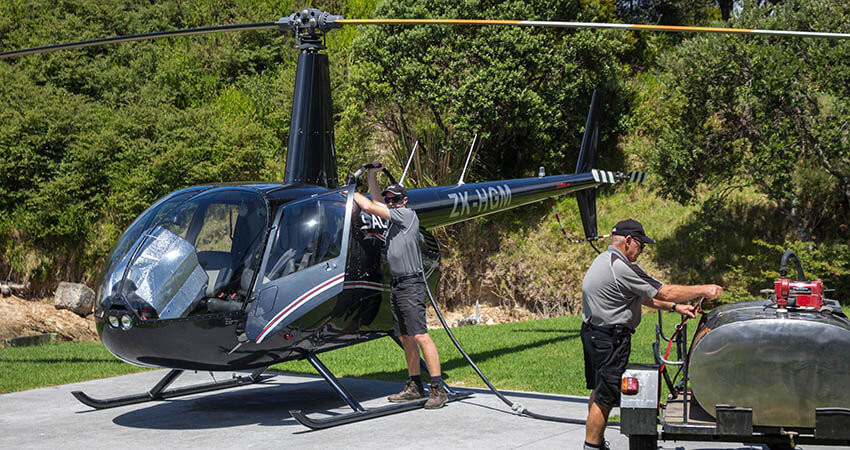
Archives for » Page 75Hot, Hot, Hot Refueling As many pilots know, refueling the aircraft while the engines are still running, also known as “hot refueling,” can potentially be a high-risk situation without properly trained personnel. Although hot refueling may be the most practical option for certain operations, it should always be handled with great […]
Metal-Printing Madness: The New Wave of Aircraft Manufacturing

Archives for » Page 75Gearing Up for the Next Generation of Aircraft From the ductwork, to the interior, to the exterior, it seems any piece of the aircraft can benefit from additive manufacturing (commonly known as 3D printing). Additive manufacturing creates products by thinly and continuously layering fine base material powder (aluminum, titanium, plastics, etc.) […]
Operational Changes at SMO: What You Need to Know

Archives for » Page 75Shortened Runway at SMO Santa Monica Municipal Airport obtained authorization to shorten the runway from a settlement agreement signed with the city and the FAA in January 2017. The runway went from 5,000 ft down to 3,500 ft in length. The concrete from the previous runway is still in tact, but […]
Arctic Flying: Part 1
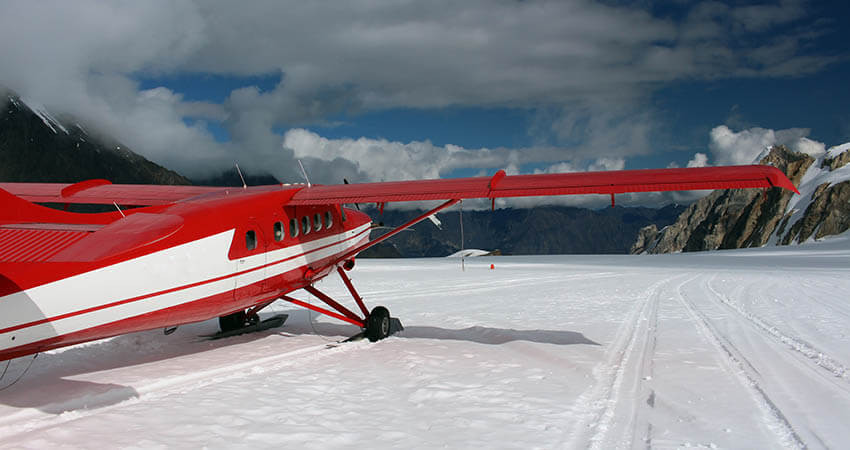
Archives for » Page 75Cool temperatures, Uncool hazards As temperatures across the U.S. seem to be dropping, it only seems appropriate to write about Arctic Flying (since most of the U.S. feels like the Arctic currently). With this particularly chilly region comes idiosyncrasies of weather and climate to be aware of while flying. Now, let’s […]
Speak like a Pilot: Phrases to Avoid

Archives for » Page 75Back to the Basics with the FAA The FAA has issued a series on going “Back to Basics” of aviation. One of the articles in the series features How to Talk like a Pilot. In order to avoid frustration and what could turn into a potentially dangerous situation, let’s learn some […]
Get the Load Down on Forklift Safety

Archives for » Page 75Accident Prevention, One Load at a Time The Forklift Truck Operation Standard follows OSHA guidelines to prevent accidents in the workplace. With 85 forklift related fatalities per year, it is important to recognize and follow these standards. In order to understand proper forklift handling procedures, review the below hazards and precautions […]
Bends the Truth: 4 Facts About Preventing Altitude DCS

Archives for » Page 75High Altitude, High Risk Decompression sickness (DCS) is a condition derived from exposure to low barometric pressures, creating bubbles of inert gases (usually nitrogen) throughout the body. Although DCS can manifest itself in many ways, the most common is the gas bubbles causing pain in the shoulders (most common site), elbows, […]
Many Business Aviation Operations CORSIA Exempt

Archives for » Page 75The NBAA estimates only 100 operators in North America affected by CORSIA The Carbon Offsetting and Reduction Scheme for International Aviation (CORSIA) is an upcoming policy aiming to reduce the amount of international aviation emissions. The plan includes operators from roughly 74 countries that emit more than 10,000 metric tons of […]