
How does winter aviation weather affect ground operations?
When pilots think about winter aviation weather hazards, ice-covered wings and slippery runways usually top the list. But some of the most dangerous winter risks never leave the ground. Cold weather ground operations and human performance issues quietly stack the deck against safety before the engine ever starts. Cold stiffens muscles, slows reaction time, dulls fingertips, and creates distractions that can turn a routine preflight into a rushed one. Winter flying doesn’t just test the airplane—it tests the pilot.
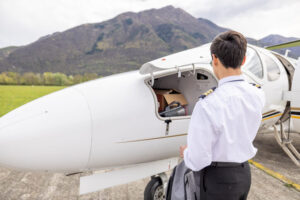
Cold exposure reduces dexterity and fine motor control, making tasks like checking fuel caps, removing control locks, manipulating switches, and securing panels far more difficult. Heavy gloves improve warmth but degrade tactile feedback. Bare hands increase precision but invite numbness and pain within minutes. This creates a dangerous tradeoff between speed and accuracy that pilots must actively manage during winter ground operations.
Cold Weather Effects on Human Performance:
- Slower reaction time
- Reduced hand strength and dexterity
- Impaired fine motor control
- Increased fatigue
- Higher distraction and irritation levels
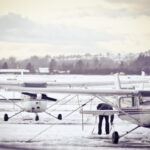
Ramp conditions themselves compound the problem. Icy pavement turns routine walking into a slip hazard. Ladders become treacherous. Fuel spills spread instantly across frozen concrete. Tug operations become riskier. Even properly chocked aircraft can slide when brakes are released. Many winter injuries occur not during flight—but during preflight, fueling, loading, or pushback.
Winter Ground Operation Hazards:
- Slips and falls on icy ramp
- Frozen fuel caps and access panels
- Icy ladders and maintenance stands
- Reduced tug traction
- Limited visibility during snowfall
Cold also degrades judgment. Fatigue builds faster in the cold. Dehydration increases in dry winter air. Decision-making slows under physical stress, and subtle pressure to “just get airborne and warm up” can encourage rushed checklists, skipped verifications, or acceptance of marginal conditions. Winter operations demand slower, not faster, behavior—both mentally and physically.
The safest winter pilots build intentional buffers into every phase of ground operations: extra time, extra visual inspections, extra coordination, and extra layer planning. Winter aviation weather success begins long before takeoff—with warm hands, deliberate movements, and disciplined decision-making. The aircraft may handle the cold—but the pilot must manage it.