
Aviation Weather Radar Part 2: Base v Composite Reflectivity

Archives for » Page 63Aviation Weather Radar: Base vs. Composite Reflectivity In Part 2 of our series on Aviation Weather Radar, we’re going to discuss the distinction between base and composite reflectivity. I’ve seen these two options on apps like Foreflight, but I never really knew what the difference was. Most of the time, I […]
GPS Navigation System Failure Grounds Hundreds of Flights
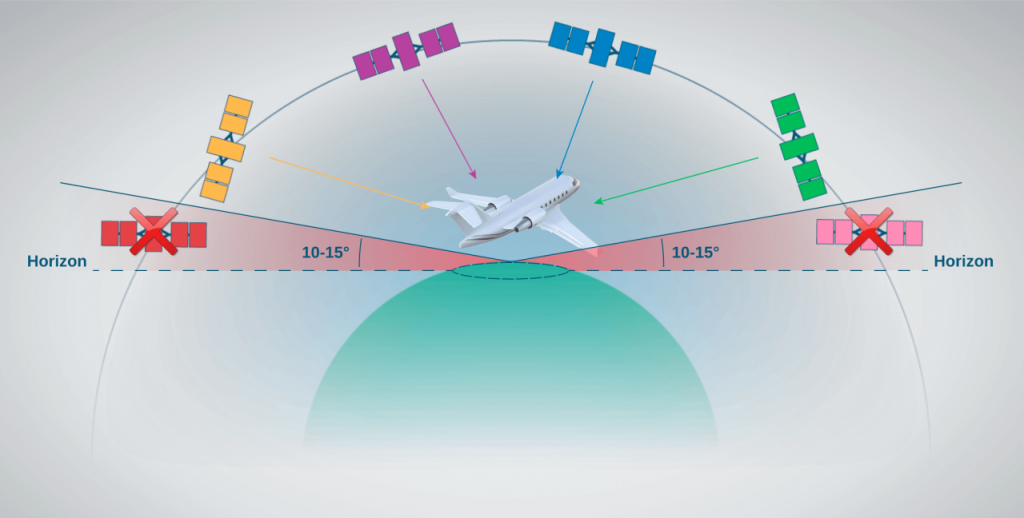
Archives for » Page 63A GPS navigation failure requires some pilots to contact FAA preflight and restrict flight height The FAA has reported a widespread problem with the GPS/ADS-B System over this past weekend and hundreds of flights have been cancelled as a result. Delta, United, and American were all impacted, among other GA Aircraft, […]
Aviation Weather Radar Part I: Attenuation
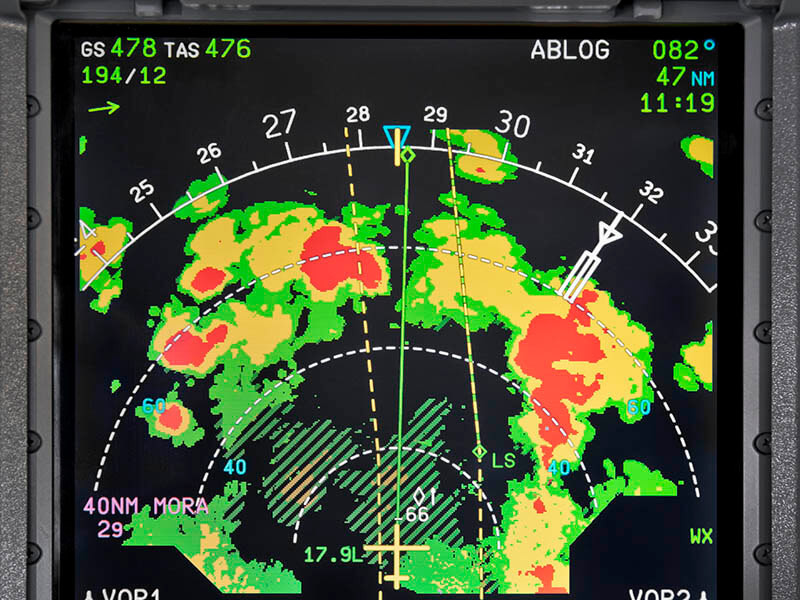
Archives for » Page 63Aviation Weather Radar: Attenuation With the recent outbreak of severe weather in the Central United States, this is probably a good time to talk about aviation weather radar. The advancement in radar technology has been amazing in recent years, but on the flip side, it’s getting harder to keep up with […]
Performance-Based Navigation (PBN): New CTS Tutorial
Archives for » Page 63Performance Based Navigation tutorial focuses on safety and efficiency in airspace We are looking forward to sharing with CTS users our new Performance-Based Navigation (PBN) course. PBN is part of the initiative to modernize and streamline the National Airspace System. The performance requirements of PBN provide an added layer of safety […]
Flight Planning: A dispatcher career can help land a plane

Archives for » Page 63Flight planning and communication with flight dispatchers play an important role in aviation safety Flight dispatchers play an integral role in aviation safety. They are employed by a company or airline and are imperative to mission success. Flight dispatchers are often involved from the very beginning of flight preparation They are […]
Flight Performance Help by Maximizing iPad Battery Life

Archives for » Page 63The Life of Your iPad Battery The life of your iPad battery is something you probably don’t think about too much when considering flight performance, that is until you’re at that “uh-oh” moment. I notice it mostly on days with multiple legs – and it’s usually the last leg when I’m […]
CFIT Avoidance: Are you doing everything you should?
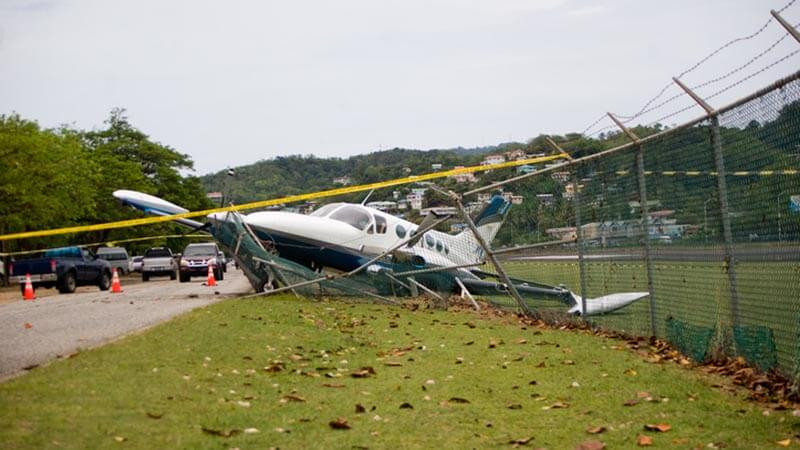
Archives for » Page 63CFIT avoidance Controlled Flight Into Terrain (CFIT) continues to prove a very real issue in aviation despite continued advances in both pilot training and aircraft technology. In fact, the statistics surrounding CFIT incidents are alarming. On average there are 4 CFIT related crashes annually in the United States and another 8 […]
RVSM and ADS-B Updates

Archives for » Page 63RVSM and ADS-B updates – now with more incentive Tick tock, tick tock… The deadline is quickly approaching for ADS-B installation, but aircraft owners may get a pleasant surprise when it comes to RVSM authorization requirements. While the mandate for installing ADS-B Out is taking quite a bite out of the […]
Reduced Vertical Separation Minimum: RVSM Airspace

Archives for » Page 63Note the value of RVSM airspace Reduced Vertical Separation Minimum (RVSM) reduces the required separation between aircraft from a 2000 ft minimum to a 1000 ft minimum at flight levels between 290 and 410. Its purpose is to increase airspace capacity and promote greater efficiency. Aircraft may also see increased fuel […]
Top 10 Reasons to Choose CTS for Online Training

Archives for » Page 63We know there are other online training sources you can use, so why choose us? Well, we’re glad you asked…here’s 10 reasons! 1. Not your traditional training. The aviation industry (and technology) is changing, and it’s important to keep training changing as well. Online courses allow for more flexibility to schedules […]